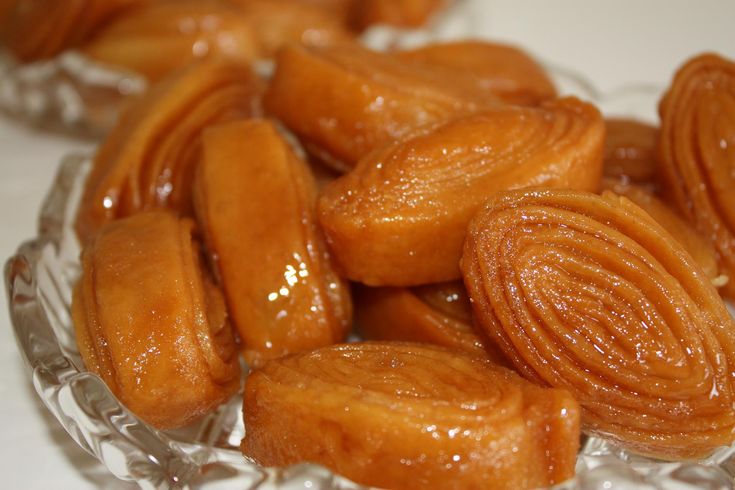
Silao Khaja
A GI-tagged, multi-layered crispy flaky pastry from Silao village — deep-fried in pure ghee and lightly glazed with sugar syrup, the perfect edible souvenir of Nalanda.
Culinary Profile
Silao Khaja is one of Bihar's most celebrated GI (Geographical Indication) tagged desserts, originating exclusively from Silao village in Nalanda district. The craft of making Khaja has been passed down for over 400 years within specific artisan families (halwais) of Silao. The dough of fine refined wheat flour (maida) is worked with ghee and water into a smooth, pliable consistency. Multiple layers are created by repeatedly folding ghee-smeared dough, similar to puff pastry. These layered strips are deep-fried in pure desi ghee at a precise temperature — too hot and it burns, too cool and it absorbs excess fat — until pale golden and featherlight. They are then dipped briefly in a lightly flavored sugar syrup and dried. The result is an extraordinarily crispy, flaky confection with dozens of paper-thin layers visible when snapped.
How It's Made — Cooking Method
Maida is kneaded with water and a little ghee into a smooth dough. Small portions are rolled into thin sheets, ghee is brushed liberally, then the sheet is folded and re-rolled multiple times to create layers (similar to puff pastry lamination). The layered dough is cut into finger-sized strips or rolled into spirals. These are deep-fried slowly in pure desi ghee at medium-low heat (150–160°C) until crisp and pale golden. The fried khaja is then briefly dipped in warm sugar syrup and set out to dry and harden.
How It's Served
Served as a dessert, tea-time snack, or as a traditional gift box. Sold in wooden or cardboard boxes as a souvenir from Nalanda. Eaten dry — not warm.
Regional Variants
Original Silao Khaja (plain, GI certified), Rajgir Khaja (similar but less flaky, non-GI), Khaja from Bodh Gaya temple area (offered as prasad), Maida Khaja vs Atta Khaja (whole wheat variant).
DID YOU KNOW?
Silao Khaja received its Geographical Indication (GI) tag in 2018. Only Khaja made in Silao village can officially be called "Silao Khaja". Pilgrims visiting the Nalanda ruins for over a millennium have been buying this as a souvenir.
Key Ingredients
- ◆Fine refined wheat flour (Maida)
- ◆Pure desi ghee (for frying and layering)
- ◆Refined sugar (for syrup)
- ◆Water
- ◆A pinch of salt
Spices & Aromatics
Flavor Profile
“Crispy, featherlight, delicately sweet, rich buttery-ghee flavor with a subtle grain of sugar, clean and not cloying. The signature quality is the audible "crunch" with each bite.”
Nutritional Insight
Energy-dense sweet — approximately 450–500 kcal per 100g. High in carbohydrates and fats from ghee. Best enjoyed in moderation as an occasional treat.
Pairs Best With
- ✦Masala chai (spiced tea)
- ✦Warm milk
- ✦As a festive gift/prasad
Explore Around Silao Khaja
Find related destinations, nearby sightseeing, cultural events, travel stories, and local foods dynamically linked for you.